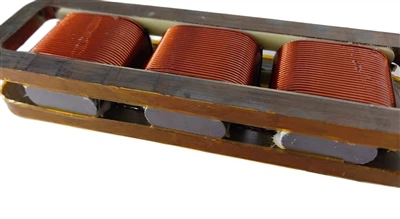
In an era where electronic product iterations are measured in months, the phrase power engineers dread most is: "The parameters have changed; we need a new inductor sample." Traditional inductor design is often a "pull one hair and the whole body moves" process. To adjust inductance or saturation current, you might need to re-mold a customized solid core-a process that typically involves weeks of waiting and exorbitant R&D costs.
In the race for Time-to-Market, can the non-standard, long-cycle nature of magnetic components be broken? A core patent from Magsonder introduces "modular thinking," making core design as flexible and efficient as building with LEGO bricks.
The Innovation
The core breakthrough of Magsonder's patent US 11,430,597 B2 lies in the realization of a Detachable Modular Magnetic Circuit Architecture.
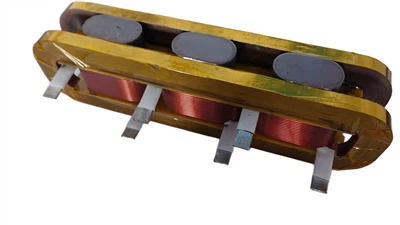
Unlike traditional designs that treat the magnetic core as an indivisible whole, this patent deconstructs the magnetic circuit into three independent, standardizable functional modules:
The Energy Heart: Middle Column – Utilizes a Metal Powder Core. By adjusting its length or material composition, engineers can directly control the saturation characteristics of the inductor.
The Magnetic Highway: Side Columns & Yokes – Utilizing high-permeability Ferrite or Amorphous Materials, these modules provide a low-reluctance return path for the flux.
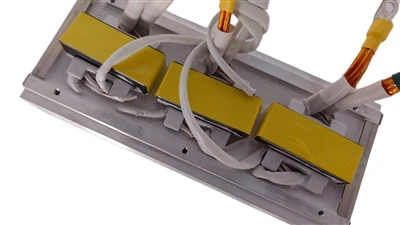
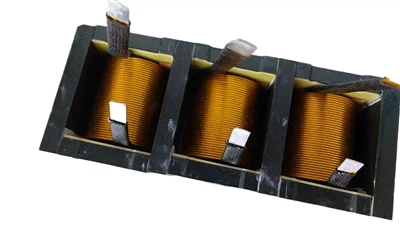
The Physical Framework: Outer Shell – A standardized carrier vessel. Through a Glue Filling process, modules of different specifications are locked into a single, robust unit.
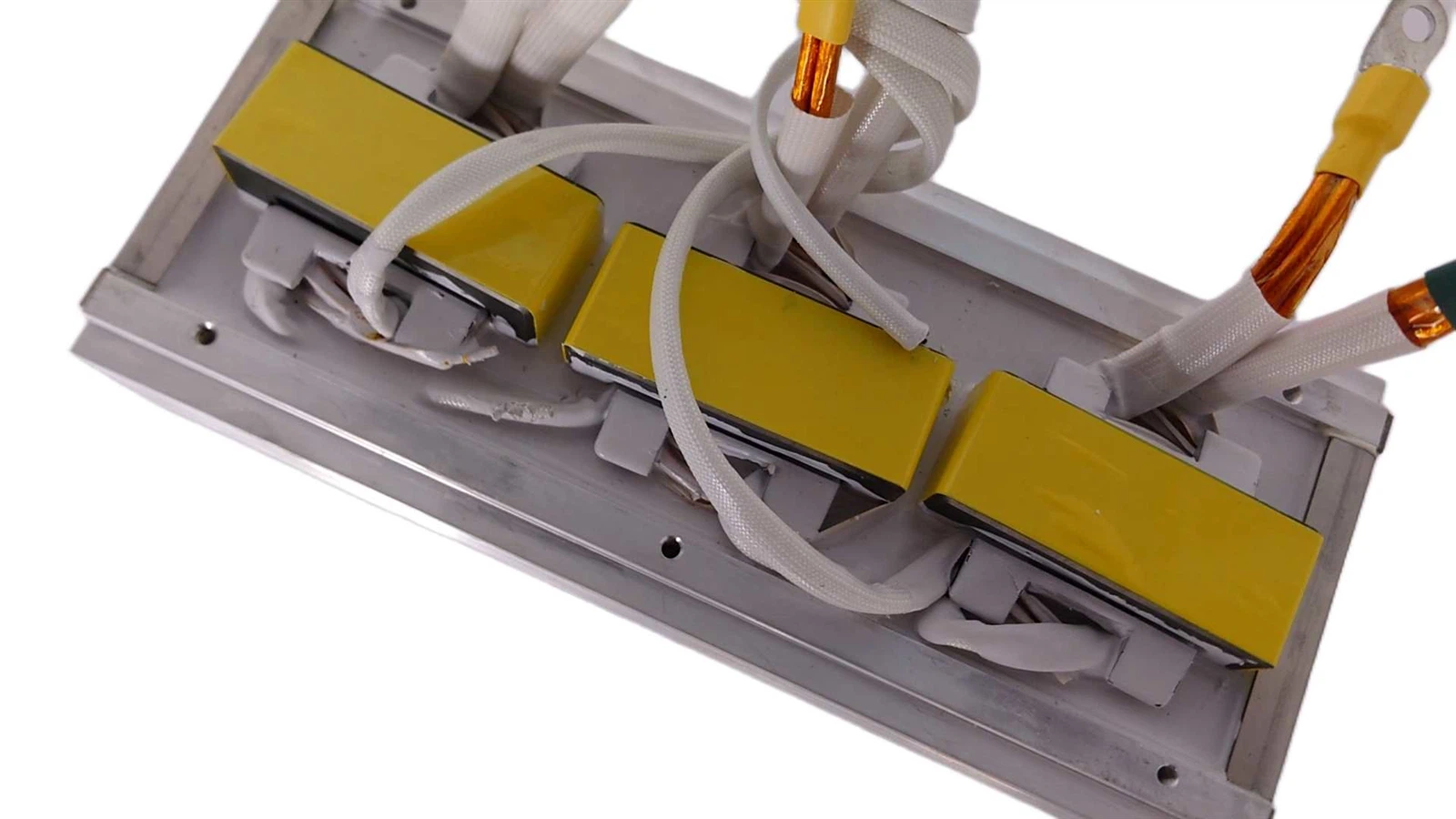
How It Works
The logic of this "LEGO-style" design lies in the decoupling of the inductor's physical dimensions from its magnetic performance:
1. Configurable Performance During the R&D phase, engineers no longer need to design entirely different inductors for different power stages. Through the Plug-in Coupling logic described in the patent, the yokes and side columns (the high-permeability parts) can remain as standard parts. By simply swapping the middle column (the saturation part) with different lengths or materials, the Inductance and Saturation Current can be precisely fine-tuned within the same physical architecture.
2. Precise Geometric Adaptation Logic The patent specifies a calculation formula for the ratio d/D, which represents the insertion depth of the middle column into the yoke. This design allows for a controlled assembly tolerance between the middle column and the yoke. In practice, this means that materials from different suppliers can achieve perfect magnetic matching within a standardized Outer Shell, provided they follow the patent's geometric proportional logic.
3. Streamlined Verification Process Because of the modular design, when a system topology undergoes minor adjustments (such as increasing switching frequency from 100kHz to 300kHz), engineers only need to perform a targeted material upgrade on the Side Columns (e.g., upgrading from ferrite to amorphous material to reduce high-frequency losses) without discarding the entire structural design.
Use Cases
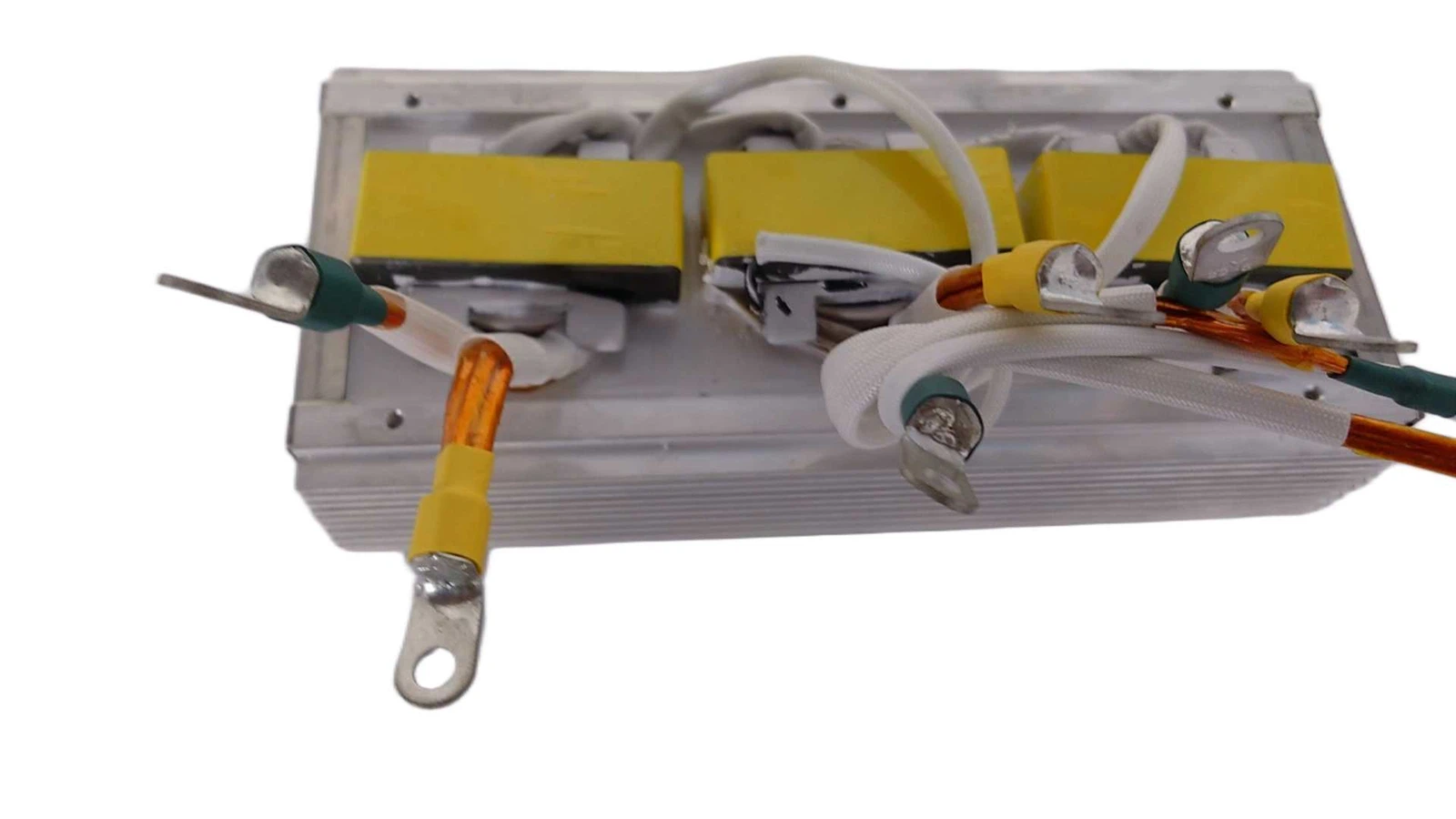
Case 1: Platform Development for Multi-Power Range Supplies In server power supply (CRPS) R&D, a single platform often needs to cover a range from 800W to 2000W. Utilizing Magsonder's modular patent, R&D teams can design a standardized inductor form factor. By switching internal metal powder middle column modules of different densities, they can rapidly serialize products, shortening a development cycle that once took months down to a few weeks.
Case 2: Rapid Prototype Iteration for High-Power DC-DC For New Energy Vehicle (NEV) DC-DC converters, sampling costs are extremely high. Magsonder's Split Architecture allows engineers to manually swap different side column modules in the lab to test the effects of various permeabilities on EMI and the Coupling Coefficient, locking in optimal parameters before moving to mass-production molding.
Future Outlook
The long-term impact of this technology lies in driving the Standardization of magnetic components.
Historically, magnetic components have been a "patch technology" that had to be adapted to the circuit design; in the future, this modular thinking will turn magnetic components into "off-the-shelf" solutions. As system architectures become increasingly complex, this patented architecture-capable of rapid sampling and flexible adaptation across multiple power stages-will become Magsonder's core weapon in helping customers achieve Scalability. We can even foresee a future where inductor designs are sent directly via online simulation to robots that rapidly assemble the modules for "on-demand manufacturing."
Modular core design is not just a clever structural idea; it is a profound empowerment of R&D efficiency.