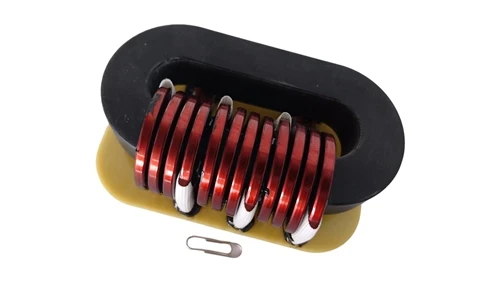
In the field of power electronics-where high power density and extreme conversion efficiency are constantly pursued-the High-Frequency Switch-Mode Power Supply (SMPS) Transformer plays a crucial role as the heart of energy transmission and electrical isolation. As server PSUs, industrial power supplies, and various high-power adapters shift toward compact and high-frequency architectures, magnetic components continue to undergo rapid technical iterations.
This article provides an in-depth look at the internal structure, material selection, key engineering features, and main industrial applications of a typical high-frequency switch-mode power transformer.
1. Structural Breakdown and Core Materials
The upper limit of a high-frequency switch-mode transformer's performance largely depends on the coordinated design of its magnetic core material, winding layout, and insulation protection system.
1. High-Performance Ferrite Core
Under high-frequency switching conditions (typically from tens to hundreds of kilohertz), traditional silicon steel sheets are no longer viable due to excessive eddy current losses. This transformer utilizes soft ferrite materials with high magnetic permeability and low power loss (such as EE, EFD, or PQ core structures). This core material effectively suppresses hysteresis and eddy current losses under high-power, high-frequency excitation, laying the foundation for high overall system efficiency.
2. High-Temperature Insulation System
High-frequency transformers generate heat under long-term, heavy-load operation. As seen from the structural details, the outer layer and interlayers of the windings are extensively wrapped with amber-colored Kapton (polyimide) insulation tape:
Exceptional Thermal Resistance: Capable of withstanding operating temperatures up to 180°C–200°C, preventing the insulation layer from softening or breaking down under high thermal stress.
High Dielectric Strength: Ensures strict electrical isolation between the primary and secondary windings, meeting safety insulation distance and withstand-voltage standards.
3. Multi-Pin Bobbin and Header Structure
The transformer base features an engineering plastic bobbin with high insulation strength and creep resistance, equipped with multiple pins. This multi-pin design not only facilitates complex wire layouts for multiple windings (such as primary, auxiliary supply, and feedback windings), but also increases mechanical soldering strength on the PCB, enhancing overall vibration and impact resistance.

2. Key Engineering Features
High Power Density & Compact Design: Delivers high power output within an extremely footprint-conscious form factor, meeting modern requirements for small-footprint, high-power equipment.
Low Leakage Inductance & Optimized Magnetic Coupling: By optimizing the winding sequence (such as sandwich winding) and interlayer structure, primary leakage inductance is significantly reduced, minimizing voltage spikes across switching devices and lowering MOSFET switching losses.
Superior Thermal Management & Structural Stability: Precision taping techniques combined with the bobbin structure allow for uniform heat dissipation, while the top protective/sensing frame structure further enhances operational reliability in harsh industrial environments.

3. Typical Industrial Applications
Thanks to its combined advantages of high frequency, high efficiency, and high reliability, this type of high-frequency switch-mode transformer is widely used across medium-to-high power supply systems:
Industrial & Telecom Power Supplies: Provides efficient and stable DC power conversion for industrial control cabinets, telecom base station modules, and automation equipment.
Server & Data Center PSUs: Serves as a core isolation transformer in server power supplies that require extreme efficiency standards, such as 80 PLUS Titanium.
High-Wattage Adapters & Chargers: Applied in kilowatt-class or high-power-density power adapters for laptops, portable workstations, and premium consumer electronics.
Smart Home Appliances & Control Boards: Provides primary power step-down and isolated driving for high-end air conditioners, LCD display mainboards, and industrial-grade appliance control modules.
The design of a high-frequency switch-mode power transformer is a fusion of magnetics, materials science, and electrical engineering. By seamlessly integrating high-quality ferrite cores, high-temperature insulation protection, and optimized pin-header structures, these components provide a solid hardware foundation for the miniaturization and efficiency of modern power electronics equipment.