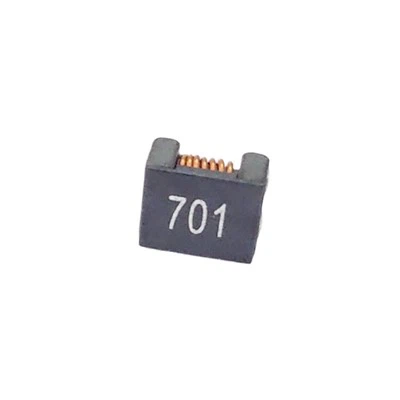
What is the maximum operating temperature of nr inductors?
As a supplier of NR inductors, I often receive inquiries from customers about the maximum operating temperature of these components. Understanding the maximum operating temperature is crucial for ensuring the reliability and performance of electronic devices that use NR inductors. In this blog post, I will delve into the factors that influence the maximum operating temperature of NR inductors and provide some insights into how to select the right inductor for your specific application.
Factors Affecting the Maximum Operating Temperature
The maximum operating temperature of an NR inductor is determined by several factors, including the core material, winding material, and the design of the inductor. Let's take a closer look at each of these factors:
Core Material
The core material of an inductor plays a significant role in determining its maximum operating temperature. Different core materials have different thermal properties, which can affect the inductor's ability to dissipate heat. For example, ferrite cores are commonly used in NR inductors because they have low core losses and good thermal stability. Ferrite cores can typically operate at temperatures up to 125°C or higher, depending on the specific type of ferrite used.
On the other hand, powdered iron cores have higher core losses than ferrite cores, but they can handle higher currents. Powdered iron cores are often used in applications where high power handling is required. The maximum operating temperature of powdered iron cores is typically lower than that of ferrite cores, usually around 85°C to 100°C.
Winding Material
The winding material of an inductor also affects its maximum operating temperature. Copper is the most commonly used winding material in NR inductors because it has low resistance and good thermal conductivity. Copper windings can handle high currents without overheating, making them suitable for a wide range of applications.
However, the insulation material used on the copper wire can also affect the inductor's maximum operating temperature. Some insulation materials have a lower temperature rating than others, so it's important to choose an inductor with a winding insulation that can withstand the operating temperature of your application.
Inductor Design
The design of an inductor can also impact its maximum operating temperature. Factors such as the size of the inductor, the number of turns in the winding, and the spacing between the turns can all affect the inductor's ability to dissipate heat. For example, a larger inductor with more turns and a wider spacing between the turns will generally have a lower operating temperature than a smaller inductor with fewer turns and a closer spacing between the turns.
In addition, the shape of the inductor can also affect its thermal performance. Inductors with a more open design, such as toroidal inductors, tend to have better heat dissipation than inductors with a more closed design, such as pot core inductors.
Understanding the Temperature Ratings of NR Inductors
Most NR inductors are rated for a specific maximum operating temperature, which is typically specified in the manufacturer's datasheet. The maximum operating temperature is usually given as a continuous temperature rating, which means that the inductor can operate at this temperature indefinitely without experiencing any significant degradation in performance.
It's important to note that the maximum operating temperature rating of an inductor is based on ideal conditions, such as a low ambient temperature and good ventilation. In real-world applications, the actual operating temperature of the inductor may be higher than the rated temperature due to factors such as high ambient temperature, poor ventilation, and high current loads.
To ensure the reliability and performance of your electronic device, it's important to choose an inductor with a maximum operating temperature rating that is higher than the expected operating temperature of your application. This will help to prevent the inductor from overheating and causing premature failure.
Selecting the Right NR Inductor for Your Application
When selecting an NR inductor for your application, it's important to consider the maximum operating temperature requirements of your device. Here are some tips to help you choose the right inductor:
Determine the Operating Temperature Range
The first step in selecting an NR inductor is to determine the operating temperature range of your application. This will depend on factors such as the ambient temperature, the power dissipation of the inductor, and the ventilation conditions in your device. Once you have determined the operating temperature range, you can choose an inductor with a maximum operating temperature rating that is higher than the expected operating temperature of your application.
Consider the Core Material
As mentioned earlier, the core material of an inductor plays a significant role in determining its maximum operating temperature. If you need an inductor that can operate at high temperatures, you may want to consider using a ferrite core inductor. Ferrite cores have good thermal stability and can typically operate at temperatures up to 125°C or higher.
If you need an inductor that can handle high currents, you may want to consider using a powdered iron core inductor. Powdered iron cores have higher core losses than ferrite cores, but they can handle higher currents. The maximum operating temperature of powdered iron cores is typically lower than that of ferrite cores, usually around 85°C to 100°C.
Evaluate the Winding Material and Insulation
The winding material and insulation of an inductor can also affect its maximum operating temperature. Copper is the most commonly used winding material in NR inductors because it has low resistance and good thermal conductivity. However, the insulation material used on the copper wire can also affect the inductor's maximum operating temperature. Make sure to choose an inductor with a winding insulation that can withstand the operating temperature of your application.


Check the Inductor Design
The design of an inductor can also impact its maximum operating temperature. Factors such as the size of the inductor, the number of turns in the winding, and the spacing between the turns can all affect the inductor's ability to dissipate heat. Choose an inductor with a design that is optimized for heat dissipation, such as a toroidal inductor or an inductor with a large surface area.
Examples of NR Inductors and Their Maximum Operating Temperatures
Here are some examples of NR inductors and their maximum operating temperatures:
- NR 5040 Inductors: These inductors are designed for high-power applications and have a maximum operating temperature of 125°C.
- NR 6045 Inductors: These inductors are suitable for a wide range of applications and have a maximum operating temperature of 105°C.
- NR 5020 Inductors: These inductors are commonly used in low-power applications and have a maximum operating temperature of 85°C.
Conclusion
In conclusion, the maximum operating temperature of NR inductors is determined by several factors, including the core material, winding material, and the design of the inductor. Understanding these factors is crucial for ensuring the reliability and performance of electronic devices that use NR inductors. When selecting an NR inductor for your application, it's important to consider the maximum operating temperature requirements of your device and choose an inductor with a rating that is higher than the expected operating temperature.
If you have any questions about NR inductors or need help selecting the right inductor for your application, please feel free to contact us. We are a leading supplier of NR inductors and have a team of experts who can provide you with the guidance and support you need.
References
- Manufacturer datasheets for NR inductors
- Technical articles on inductor design and performance
- Industry standards and guidelines for electronic components